
Callum Wilson Speaks Out on VAR Controversy After West Ham Equaliser vs Arsenal Is Disallowed
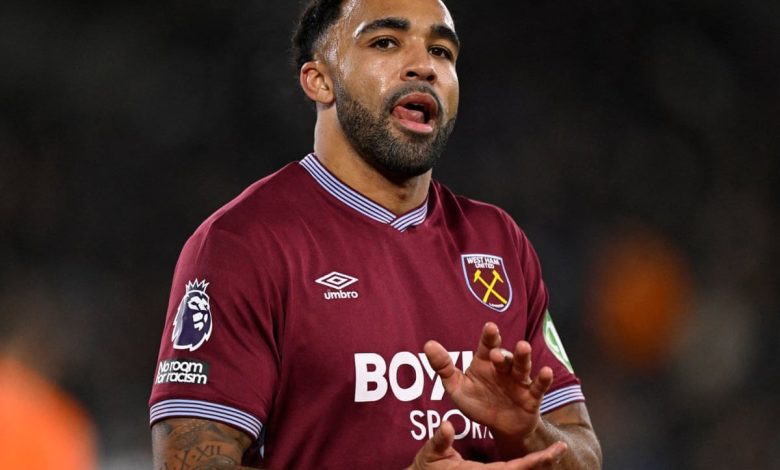
Callum Wilson questions VAR consistency after West Ham controversy against Arsenal
West Ham left the Emirates frustrated on Sunday, and Callum Wilson clearly has not moved on from it yet.
The striker believed he had rescued a huge point for the Hammers late against Arsenal, only for celebrations to be cut short after VAR stepped in and overturned the goal.
In a season where every point feels heavy at both ends of the Premier League table, the decision immediately became one of those incidents people argue over long after the final whistle.
And, predictably enough, everyone seems to have watched the same replay and reached completely different conclusions.
Wilson’s stoppage-time finish was initially awarded by referee Chris Kavanagh before the monitor on the side of the pitch became the centre of attention again.
After reviewing the incident, Kavanagh ruled that West Ham’s Pablo had fouled David Raya by holding the Arsenal goalkeeper’s arm while challenging for the ball.
That explanation has done very little to convince the West Ham forward.
Speaking after the match, Wilson admitted his view may sound biased given he was the one who scored, but he also pointed towards what he sees as a wider issue inside Premier League officiating.
“I’m going to say yes (it should’ve stood) because I scored the goal for one,” Wilson told Sky Sports. “But for two, we see a lot of teams nowadays doing a similar situation in the box blocking goalkeepers.
We analysed Arsenal’s set-pieces before the match and there was a lot of that going on in there. That’s not just to say they do it, everybody does it.”
The consistency debate again
This is where the frustration really seems to sit for West Ham.
Wilson was not necessarily arguing that there was zero contact on Raya. Instead, his issue appeared to centre on why one piece of grappling gets punished while countless others across the league are waved away as standard chaos inside a crowded penalty area.
And, honestly, that is the part supporters struggle with most. Fans can usually accept tough calls. What drives them mad is when the same incident looks like a foul one weekend and perfectly acceptable physical play the next.
“For me it’s against us, are you saying it’s a foul? Possibly,” Wilson added. “But of course, there’s incidents that have happened throughout the season that are similar.”
He continued: “I just think if there’s consistency then there’s no complaints from anybody. If you’re going to pull up one you’re going to have to pull up all of them. I think he probably should have just let it see itself out and think it’s just handbags in the box and it is what it is.”
That phrase, “handbags in the box”, probably sums up modern Premier League set-pieces better than any tactical breakdown ever could. Every corner now looks like a wrestling audition for about three seconds before someone remembers there is actually a football arriving.
Why the goal was ruled out
Howard Webb has since defended the decision publicly, insisting the VAR intervention was correct.
The PGMOL chief explained on Match Officials Mic’d Up that goalkeepers must be protected when their arms are being held or restricted during aerial challenges. From the officials’ point of view, the contact on Raya crossed that line.
But Wilson believes the situation cannot be viewed in isolation.
“If you talk about Pablo’s hand on the goalkeeper as an isolated incident, of course it’s a foul,” he said. “But if you look at Trossard not even facing the ball, pushing him, Gabriel pulling his shirt, he’s going to have to stop himself from falling somehow.”
Wilson then added: “Whether that’s putting his arm out and then trying to hold on to something, which unfortunately was the goalkeeper’s arm. If that was another player and it stops him from jumping up to head the ball it’s not going to get given as a foul. If that’s a foul then Trossard before it is a foul.”
That argument will probably resonate with a lot of players across the league. Footballers often complain that VAR freezes one specific frame while ignoring the mess leading up to it. Defenders tug shirts, attackers block runs, goalkeepers push through crowds. Sometimes officials let everything go. Sometimes they suddenly decide enough is enough.
And nobody ever seems fully sure where the line actually sits.
Arsenal survive another tense moment
From Arsenal’s perspective, though, the only thing that mattered was the final decision.
The disallowed goal preserved a vital result in the title race and avoided what would have been a damaging late setback. Mikel Arteta’s side have spent months playing under pressure from Manchester City, where even a draw can suddenly feel like a small disaster.
The irony is that title races now seem to come with weekly VAR debates attached to them whether anybody wants them or not.
Pep Guardiola certainly sounds tired of it all.
The Manchester City manager was asked about the incident and used it as another opportunity to question the reliability of the system itself.
“I never trust anything since they (VAR) arrived a long time ago,” Guardiola said. “Always I learned you have do it better, do it better, be in a position to do it better because you blame yourself with what you have to do, because [VAR] is a flip of a coin.”
That probably captures the modern mood around VAR better than any official explanation ever could. Even managers benefiting from decisions rarely sound fully comfortable with the process anymore.
West Ham walk away feeling robbed of a crucial point in their fight near the bottom. Arsenal move on believing the officials got it right. Manchester City continue chasing at the top while questioning the entire system anyway.
In other words, a fairly normal Premier League weekend in 2026.
The bigger issue is that debates around consistency are not disappearing anytime soon. Players, managers and supporters can handle strict officiating if the standards remain the same every week. What frustrates people is unpredictability.
Wilson’s anger was not really about one decision alone. It was about the feeling that football still has not figured out exactly what VAR wants the game to look like.
And until that changes, these arguments will keep rolling on long after the final whistle.