From Rock Bottom to Title Charge: How Arteta Changed Arsenal’s Future

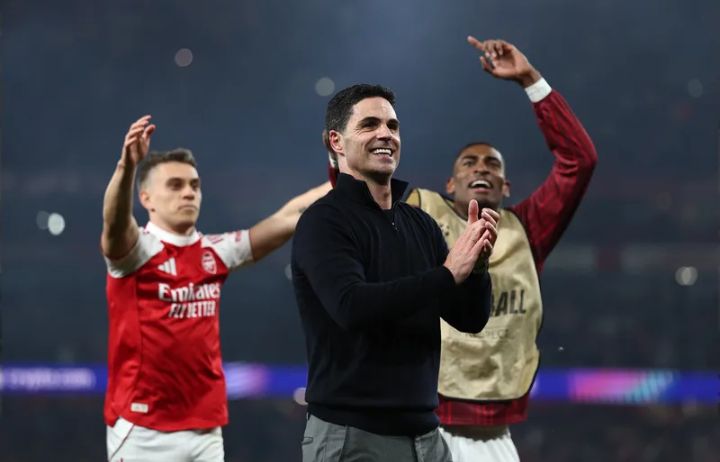
Arteta’s Arsenal on Verge of Premier League Glory After Turning Point Few Saw Coming
There was a point not so long ago when Mikel Arteta looked like a manager running out of road at Arsenal. Not patience. Not support. Road.
That brutal afternoon at the Etihad back in August 2021 felt like the moment everything was slipping away.
Arsenal were dismantled 5-0 by Manchester City, finishing the day bottom of the Premier League with three defeats from three and, somehow more alarming, not a single goal scored. For a club of Arsenal’s stature, it was difficult to watch. For Arteta, it was probably worse.
The criticism came from every direction. Some called the football timid, others called it directionless. Plenty simply believed the experiment had failed.
Fast forward almost five years and Arsenal are now within touching distance of a Premier League title that once looked completely beyond them. Football moves quickly, but perhaps not quite this quickly.
What makes this story stand out is not just that Arsenal improved. Clubs with money usually do eventually. It’s that Arsenal resisted the modern urge to panic.
They stayed with Arteta when many expected the axe to fall, and that decision now looks increasingly like one of the smartest calls made by the club’s hierarchy in the post-Arsene Wenger era.
The day everything looked broken
That defeat to City in 2021 still hangs around in discussions about Arteta because of how bleak it felt at the time.
Arsenal looked miles off the level required. City moved the ball around them almost effortlessly while Arsenal appeared nervous, disjointed and short of belief.
Even the numbers painted an ugly picture. Three straight league defeats. Zero goals scored. Bottom of the table. It was the first time in the club’s 134-year history they had opened a league campaign with three losses without finding the net once.
At that stage, the idea of Arsenal becoming champions under Arteta felt fanciful. Tottenham, under Nuno Espirito Santo of all people, were sitting proudly at the top. Football has a wicked sense of humour sometimes.
Yet inside Arsenal, there was still a belief that the foundations were being built properly. Recruitment was focused on younger profiles. The dressing room slowly changed. Standards tightened. And, importantly, Arteta’s authority never really disappeared despite the noise outside.
The gap that quietly disappeared
What has happened since that low point deserves genuine credit.
Since the humiliation at the Etihad, Arsenal have collected points at a rate close to Manchester City themselves. Arteta’s side have averaged 2.13 points per game during that period, only narrowly behind Pep Guardiola’s 2.23.
That might not sound dramatic at first glance, but over several seasons it tells a bigger story. Arsenal have not simply improved; they have turned themselves into one of Europe’s most consistent teams.
The frustration for Arsenal supporters is that the progress has almost coincided with City operating at historically high standards. In another era, Arteta may already have had a league winner’s medal around his neck.
Even Liverpool’s numbers during the same period, across the final years of Jurgen Klopp and the start of Arne Slot’s reign, sit slightly below Arsenal’s return. That puts into perspective how competitive the Gunners have become under Arteta.
And unlike earlier Arsenal sides that occasionally flirted with title races before fading in spring, this version feels tougher mentally. There is less panic about them now. Less chaos. More control.
Not perfect, mind you. Arsenal fans still spend half their weekends nervously staring at the fixture list and calculating scenarios. Some traditions never disappear.
What changed under Arteta
The biggest transformation has probably been cultural as much as tactical.
Arteta inherited a squad that often looked fractured and uncertain. Over time, he built a younger core around players willing to buy into his demands completely. Declan Rice, Martin Odegaard, Bukayo Saka and William Saliba now form the spine of a side that looks capable of competing for years rather than months.
Tactically, Arsenal have become far more flexible too. Early Arteta teams could appear cautious, almost over-coached at times. Now there is more freedom in possession and far more aggression without the ball.
The influence of Guardiola is still obvious in certain patterns, but Arsenal no longer feel like a copy of Manchester City. They have developed their own identity. That matters.
There is also something to be said for how Arteta handled pressure personally. Plenty of managers become defensive when scrutiny increases. He doubled down instead. Sometimes stubbornly, admittedly, but it eventually paid off.
A title that could change everything
Winning the Premier League would not just validate Arteta’s methods. It would shift Arsenal’s entire trajectory.
Elite players view clubs differently once trophies arrive. Near misses can earn respect, but titles change reputations. Suddenly Arsenal would not just be an exciting project or an improving side. They would be champions.
And if they manage to add the Champions League alongside it, then the conversation moves into entirely different territory.
That possibility alone would have sounded absurd after the 5-0 defeat at City nearly five years ago. Back then, many wondered whether Arteta would even survive the season.
Now Arsenal fans are preparing for what could become the club’s greatest campaign in modern times.
Football rarely follows a straight line. Arsenal’s journey under Arteta certainly hasn’t. But that chaotic afternoon at the Etihad no longer looks like the beginning of the end.
Strangely enough, it may turn out to have been the start of everything.