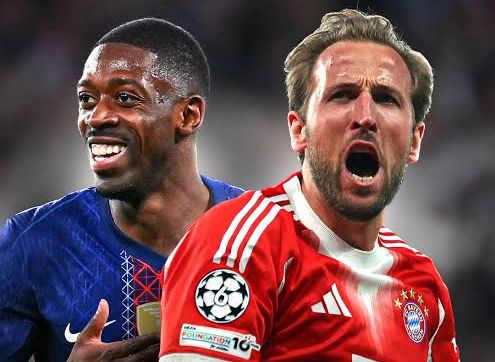
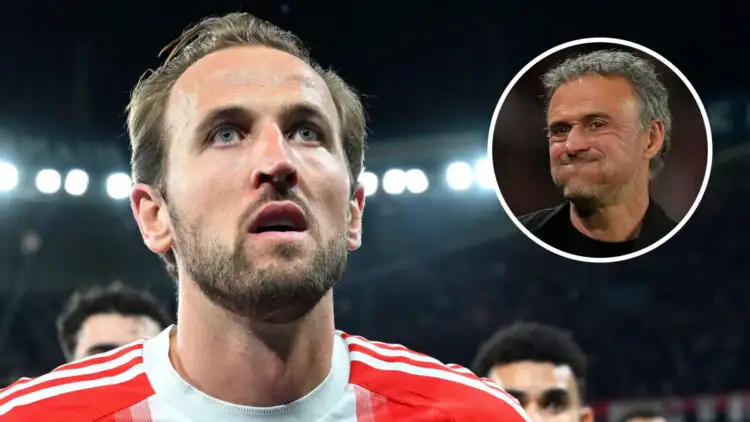
PSG vs Bayern thriller sparks debate as nine-goal classic exposes defending at highest level
Sometimes football gives you a match so entertaining that nobody can quite agree how to judge it afterwards. That was the case after PSG’s extraordinary 5-4 win over Bayern Munich in a Champions League semi-final that had almost everything: elite forwards, momentum swings, technical quality, drama and, depending on your view, some truly questionable defending.
For many supporters, it was one of the best European nights in recent memory. For others, it was proof that modern football has become too open, too chaotic and too forgiving without the ball.
The truth probably sits somewhere in the middle.
No one watching could deny the quality in attack. PSG and Bayern were packed with players capable of turning a game in seconds, and both sides played like they believed scoring one more was always the answer.
That approach made for a breathless contest. It also left plenty of space, plenty of errors and plenty for pundits to discuss once the noise settled.
Wayne Rooney and Clarence Seedorf were among those who focused on the defending rather than simply celebrating the spectacle. That criticism was fair enough. Defending remains half the sport, and on this night it often looked like the less fashionable half.
Several of the nine goals came from problems that top sides usually avoid.
Bayern’s opening goal, scored by Harry Kane from the penalty spot, began with Joshua Kimmich driving through central space far too comfortably.
PSG’s back line was left exposed and once Michael Olise received the ball in a dangerous area, panic followed. Luis Diaz then moved smartly into the gap and forced the foul.
That pattern repeated itself more than once. PSG were too easy to run through centrally, and Bayern’s attackers were good enough to punish it.
But Bayern had their own issues, especially when dealing with movement around the box.
Khvicha Kvaratskhelia’s first goal came after confusion between Josip Stanisic and Dayot Upamecano. There was hesitation, poor spacing and then one sharp feint from the PSG winger before the finish. Good attackers punish small mistakes. Great ones punish them instantly.
Joao Neves then headed in from a corner despite being one of the smaller players on the pitch. Bayern’s zonal set-up left him free enough to glance home, with several bigger names positioned deeper and reacting too late.
That was another theme of the night: moments where players seemed to expect someone else to solve the problem.
Olise’s goal for Bayern felt inevitable once he was allowed to run directly at an exposed defence. Warren Zaire-Emery’s challenge never truly arrived, the centre-backs hesitated, and once Olise is driving at retreating defenders, the odds are already against you.
Then came the penalty that pushed PSG ahead again.
There will be debate around it for a while. Alphonso Davies was penalised for handball after moving his arms while trying to block Ousmane Dembele’s cross. The ball came from close range and appeared to deflect first, but the decision stood. At this stage of the Champions League, those calls always carry extra weight.
PSG then took control, at least briefly.
Kvaratskhelia struck again after Bayern made a mess of defensive positions on the left side, while Manuel Neuer’s reading of the shot also came under scrutiny. The veteran goalkeeper seemed to anticipate the far-post effort, only for the finish to beat him near side.
Dembele followed with another goal where Neuer again appeared to trust the defender in front of him to cover the near post. Instead, the angle opened and the ball was in.
At 5-2, the game looked finished.
It was not.
Bayern responded through Upamecano, who met a superb Kimmich delivery from deep. PSG’s line was uneven, Harry Kane’s movement helped disrupt markers, and suddenly the margin was smaller.
Then came one last twist as Luis Diaz made it 5-4. If there was frustration from PSG’s point of view, it centred on how Kane was allowed the time to look up and pick the pass. At this level, giving elite forwards an extra second can be fatal.
That goal ensured a frantic ending and left everyone with the same feeling: how did this become nine goals?
There is a wider point here too. Football has shifted toward pressing, transitions and attacking overloads. When it works, it is thrilling. When it fails, defending can look amateurish. PSG and Bayern both showed the rewards and risks of that modern balance in one wild evening.
Neither manager will enjoy reviewing every clip from this match. Both will love parts of it.
Supporters, meanwhile, got the kind of game people remember for years. Not because it was perfect, but because it was unpredictable, messy and full of top-class talent willing to take risks.
Sometimes football is not about control. Sometimes it is about surviving chaos better than the other side.
PSG managed that by one goal.
Would you rather watch a disciplined 1-0 or another night like PSG vs Bayern?