Arne Slot Under Pressure as Liverpool Struggle Against Revived Chelsea at Anfield

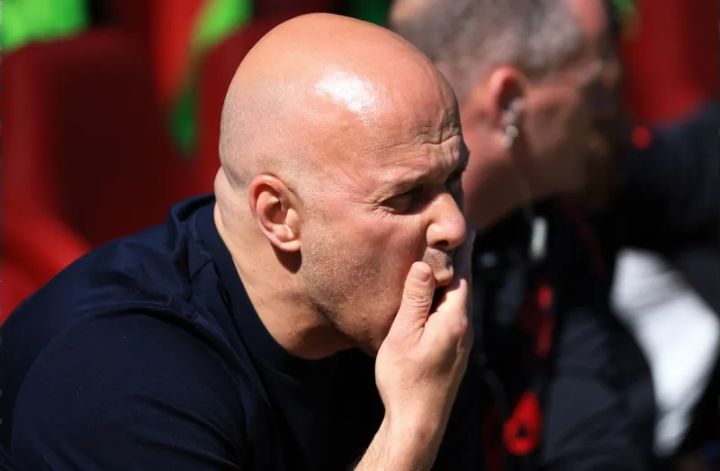
Marc Cucurella exposes Liverpool flaws as frustrated Anfield turns on Arne Slot
Anfield has seen plenty of strange afternoons over the years, but watching Marc Cucurella stroll into acres of space for nearly 90 minutes was not exactly on many people’s bingo cards before kick-off.
At one point early in the second half, a voice caught on the TNT Sports microphones summed up the mood inside the stadium better than any tactical breakdown probably could.
“What the f***?”
Fair question, honestly.
Liverpool had started brightly enough against a Chelsea side arriving on a miserable run and looking dangerously close to falling apart completely.
Ryan Gravenberch’s early strike should have settled nerves and, for a few minutes, it felt like the sort of afternoon where the home side could pile on the misery.
Instead, Liverpool retreated.
And that decision, whether deliberate or born out of collective uncertainty, ended up completely changing the game.
Liverpool stepped back and Chelsea suddenly woke up
The strange part was not Liverpool going ahead. It was what happened next.
Rather than squeezing Chelsea higher up the pitch and attacking a side short on confidence, Arne Slot’s team dropped deeper and deeper. The intensity disappeared. The pressing softened.
Anfield, a stadium usually fuelled by aggression and chaos in these moments, watched Liverpool almost invite Chelsea forward.
It was baffling.
Chelsea had arrived looking vulnerable, carrying six straight defeats and all the nervous energy that comes with it.
Liverpool had them exactly where they should have wanted them. Yet instead of pushing harder, they effectively handed Chelsea time to breathe.
And once this Chelsea side remembered they were allowed to have the ball, they began finding solutions surprisingly quickly.
The visitors were not exactly slicing Liverpool apart with intricate football. They did not need to. Liverpool’s shape became increasingly passive, leaving huge spaces down the flanks and far too much room between midfield and defence.
That was where Marc Cucurella came alive.
Cucurella had the freedom of Merseyside
Callum McFarlane deserves credit here because Chelsea clearly spotted something Liverpool never managed to solve.
Cucurella was pushed into a more advanced role ahead of Jorell Hato, and Liverpool simply never dealt with it. Long passes over the top, quick switches through midfield, simple balls into the channel, it kept working because the spacing on Liverpool’s right side was all over the place.
Curtis Jones looked isolated, while Ibrahima Konate often seemed unsure whether to step across or stay central. The result was a recurring image of Cucurella charging into open grass with barely anyone near him.
It became almost comical after a while. If Chelsea players had paused long enough, they probably could have offered him a packed lunch before releasing the next pass.
Liverpool’s biggest issue was not even tactical complexity. It was hesitation. Chelsea sensed that hesitation and grew stronger because of it.
Once Cole Palmer and Joao Pedro started pulling Liverpool’s defensive line around centrally, the left flank became Chelsea’s favourite route forward. Cucurella kept arriving there again and again, and Liverpool never properly adjusted.
That is the worrying bit for Slot.
The warning signs were there before half-time
Chelsea’s equaliser eventually arrived from an Enzo Fernandez free-kick, though Wesley Fofana may have got the faintest touch before it crossed the line. Either way, Liverpool’s vulnerability from dead-ball situations resurfaced again.
That made it 18 goals conceded from set-pieces this season, which is not the sort of number attached to teams with serious ambitions at the top end of Europe.
The frustration inside Anfield had already started bubbling before the break. You could sense supporters growing restless with how passive Liverpool had become after such a promising opening.
What probably irritated fans most was the lack of reaction.
The issue with Cucurella was obvious long before half-time, yet Liverpool emerged after the interval looking almost identical structurally. Chelsea continued targeting the same spaces because there was little evidence Liverpool intended to stop them.
That is where criticism of Slot becomes unavoidable.
The Rio Ngumoha reaction said plenty
If there was one Liverpool player who consistently tried to inject urgency into the game, it was Rio Ngumoha.
The teenager was direct, fearless and occasionally chaotic, which frankly suited the match more than Liverpool’s slower approach elsewhere. Chelsea clearly recognised him as a threat because they regularly doubled up on him whenever he drove forward.
Even then, he remained Liverpool’s liveliest attacker.
So when his number went up midway through the second half, Anfield did not exactly hide its feelings. The boos were loud, immediate and impossible to miss.
Supporters could at least understand why Ngumoha was taken off once Slot explained the decision afterwards, but in the moment it felt symbolic. Liverpool were removing one of the only players willing to force the issue.
And that frustration was not really about one substitution. It was about the wider feeling surrounding the team.
Liverpool looked strangely cautious for a side chasing Champions League qualification.
By the closing stages, both teams pushed for a winner without ever truly convincing anyone it was coming. The match drifted toward a tense, messy finish and the final whistle brought another wave of disapproval from the stands.
For Chelsea, there were at least signs of life after a dreadful run. For Liverpool, the questions only grew louder.
Slot has received patience from supporters for much of the season, partly because expectations shifted after Jurgen Klopp’s departure and partly because there have been flashes of promise. But matches like this test goodwill quickly.
Liverpool had a wounded opponent in front of them and never really went for the kill.
That is what made the reaction inside Anfield so sharp.
The atmosphere was not angry because Liverpool drew. It was angry because supporters felt their team stopped believing they could dominate long before the game actually demanded caution.
And in football, especially at Anfield, fans can forgive plenty of things. Playing within yourself usually is not one of them.